
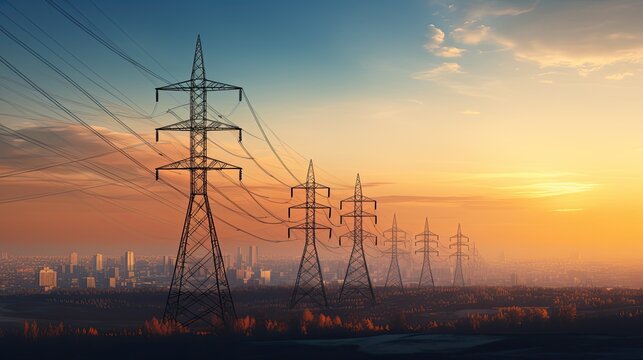
Subtitle: Engineering a Workforce Capable of Sustaining Next-Gen Power Grids
The baseline of heavy industrial infrastructure is undergoing a radical shift. As utility grids and heavy manufacturing plants transition toward advanced automated controls, deep decarbonization pathways, and smart grid topologies, our technical talent needs have drastically shifted.
The Human Resource Division is no longer just an administrative support arm; it is strategically engineered as a core component of grid stability. The modern electrical grid requires a highly specific breed of industrial professional—someone who sits precisely at the intersection of traditional heavy electrical engineering and digital systems architecture.
Bridging the High-Voltage Skills Divide
Historically, operational technology (OT) and information technology (IT) existed in entirely separate silos. Today, a modern grid engineer must understand both. To bridge this gap, our HR frameworks are shifting from broad talent acquisition to precision talent engineering:
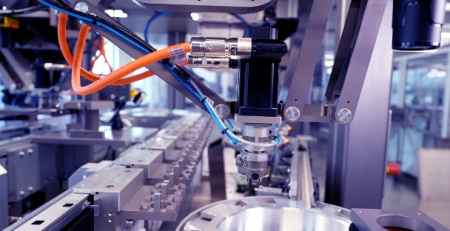
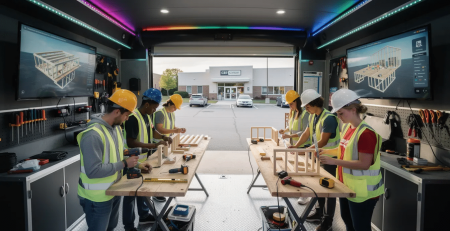
- Micro-Targeted Upskilling: Moving away from generic engineering degrees toward modular certifications in Digital Twin operations, smart grid management, and high-voltage automation.
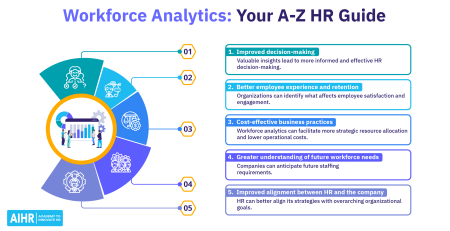
- Proactive Competency Modeling: Using workforce analytics to map out impending talent deficits before they result in operational downtime.
In heavy industry, a talent gap doesn’t just mean unfilled seats—it risks grid destabilization. By building robust, hyper-specific technical talent pipelines, HR is directly safeguarding the resilience of our primary infrastructure


Leave a Reply